
A virtual fruit tasting is an interactive and immersive experience that allows participants to explore a variety of fresh fruits from the comfort of their homes. Through an online platform, participants can virtually gather together, guided by an expert or host, to taste and discover the unique flavors, textures, and aromas of different fruits. The host may provide interesting facts about each fruit, its origin, nutritional benefits, and even suggest creative ways to enjoy them. Participants can engage in discussions, share their tasting notes, and ask questions, making it a fun and educational event. With the convenience of virtual technology, fruit tastings become accessible to people from all over the world, fostering a sense of connection and appreciation for nature’s bountiful sweetness.
A Guide to Putting Together an Online Fruit Tasting with Detailed Instructions
Because of advances in technology, maintaining relationships with friends and family located in other parts of the world is now simpler than it has ever been. The rise in popularity of virtual events and get-togethers has made it easier for people to interact with one another and share stories, traditions, and even meals despite the distances that separate them physically.
One virtual event that is both enjoyable and interesting is a “Virtual Fruit Tasting.” In this event, participants explore the many flavors of fruits without leaving the convenience of their own homes. You will be able to create a virtual fruit tasting experience that is both flavorful and memorable with the help of this step-by-step instruction.
Step 1: Determine your project’s purpose and overarching theme
It is important to have a clear aim and theme in mind for your virtual fruit tasting event before you dive into the preparation process. Are you commemorating a momentous occasion, getting together with people you care about, or simply indulging in a mutual enthusiasm for fruits? Make a decision as to whether the event will highlight particular sorts of fruits, produce that is in season, or exotic varieties.
Step 2: Make a guest list and send out invitations
Create a list of attendees who you’d like to have join you for the online fruit tasting that you’re hosting. Think about inviting others who have a similar passion for trying out new flavors, such as friends, family members, coworkers, or fellow fruit fans. Send tailored invitations to the event by e-mail, social media, or messaging applications, including information about the date, time, and video conferencing platform, as well as any preliminary instructions that may be necessary.
Step 3: Choose a Video Conferencing Platform
To host your virtual fruit tasting, you will need to select a video conferencing platform that can be relied upon. Zoom, Microsoft Teams, Google Meet, and Skype are all well-known and popular alternatives. Make sure that the platform you choose allows screen sharing and that it can accommodate the amount of attendees that you intend to invite.
Step 4: Plan out the tasting menu
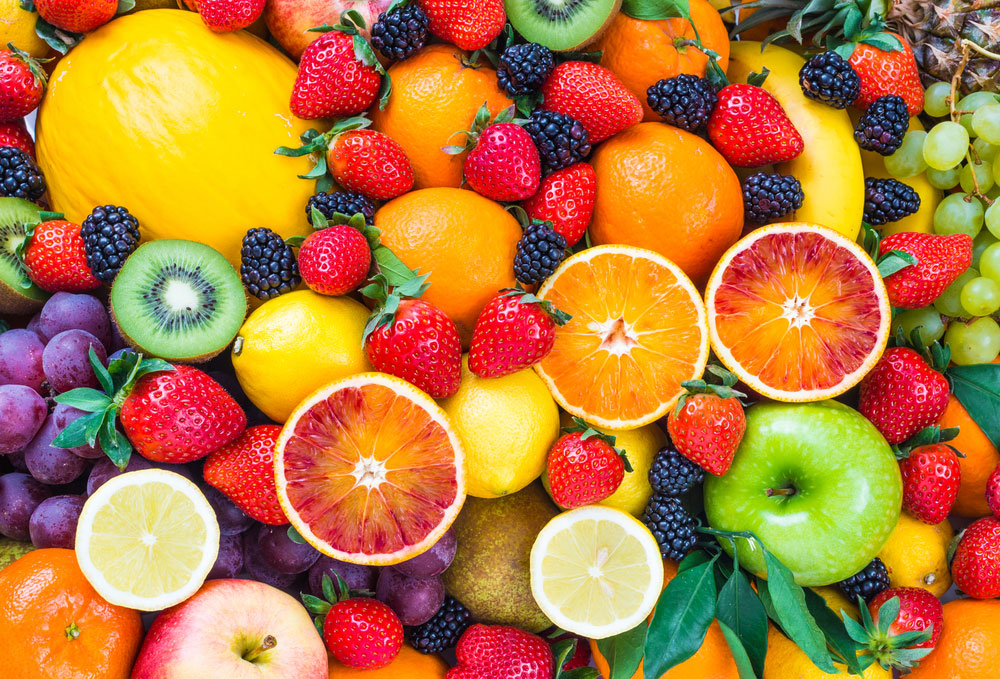
Now we get to the fun part, which is choosing the fruits that will be included on the tasting menu. Aim for a varied collection that includes both well-known favorites and unusual or unusual fruits as well as exotic options. Take into account the seasonal availability of the product to ensure that it is both fresh and ripe. You could incorporate fruits such as apples, oranges, strawberries, mangoes, pineapples, kiwis, berries, and a variety of other fruits. Here is a list to give you some ideas.
- Apples (various varieties like Granny Smith, Honeycrisp, Gala, etc.)
- Oranges (navel oranges, blood oranges, mandarins)
- Berries (strawberries, blueberries, raspberries, blackberries)
- Pineapple
- Mango
- Kiwi
- Watermelon
- Cantaloupe
- Honeydew Melon
- Papaya
- Pomegranate
- Grapefruit (pink and white)
- Cherries
- Grapes (red, green, or black)
- Plums (various varieties like Santa Rosa, Black Plum, etc.)
- Peaches (yellow and white)
- Pear (Bartlett, Anjou, etc.)
- Banana
- Dragon Fruit
- Persimmon
- Guava
- Passion Fruit
- Lychee
- Fig
Including this diverse array of fruits will provide participants with a unique and memorable tasting experience, allowing them to explore the delicious flavors and nuances each fruit has to offer.

Step 5: Prepare and Inform Participants
Include information about the sampling menu in the invitation you send out to participants so that they are prepared to bring the appropriate fruits to the event. Encourage them to obtain the same kinds of fruits so that everyone can participate in the same experience. Instructions for storing and preparing the fruit should be included, such as storing the fruit in the refrigerator, thoroughly washing the produce, and serving it at room temperature for the tasting.
Step 6: Set up a Virtual Tasting Area.
Create a room in your home that is well-lit, devoid of clutter, and will serve as the “virtual tasting space.” Prepare a clean and presentable surface for the fruit by arranging it on a wooden board or dish, for example. Make sure the participants have tasting spoons or small bowls at the ready so they may try the fruits. To make the atmosphere more welcoming, you might want to think about adding some ornamental pieces or a backdrop.
Step 7: Introductions and a Greeting to Newcomers.
As the participants join the video conference, make sure to greet them pleasantly and explain the purpose as well as the overall theme of the virtual fruit tasting. In the course of the event, encourage everyone to participate and communicate with one another.
Step 8: Guided Tasting Process
Guide the attendees through the step-by-step procedure of guided tasting for each fruit. Begin by making a mental note of the fruit’s outward characteristics, such as its color, shape, and size. Describe the scent, focusing on if it has a sweet, lemony, or flowery quality to it. Encourage the participants to run their fingers over the fruit and take note of whether it is soft, juicy, or crunchy.
Step 9: Savor the Flavors
Encourage participants to take their time and really focus on savoring the different flavors of each fruit. Discuss the taste profile, mentioning any distinctive aspects of the flavor, such as sweetness or acidity. The participants have the opportunity to discuss their ideas and learn from the experiences of others.
Step 10: Pair with Complements
It is recommended that the fruits be paired with complimentary foods such as cheeses, nuts, dark chocolate, or honey in order to enhance the overall tasting experience. This adds a fun new facet to the virtual fruit tasting, transforming it into more of an immersive experience for the senses.
Step 11: Cultural Context and Stories
Tell engaging anecdotes and information about the cultural significance of the fruits, their place of origin, and the traditional usage for them. Discuss, for instance, the cultural relevance of apples in a variety of different countries or the historical significance of particular fruits in a variety of different ancient civilizations.
Step 12: Facilitate Discussions
Throughout the course of the session, lively discussions and questions should be encouraged. Participants are welcome to inquire about specific fruit kinds, cultivation circumstances, cooking or baking ideas, and even their own personal experiences in connection with the fruits.
Step 13: Record Your Recollections
Take screenshots or make a recording of the virtual tasting session so that participants can watch them at a later time and enjoy the experience. As a memento of the amazing experience, you should give the participants a copy of the video or images you took.
Step 14: Be Thankful and Appreciative
Expressing gratitude to all of the participants for taking part in the event and helping to make it a pleasant experience should be done as the online fruit tasting draws to a close. Inspire them to maintain their connection with you and to share their ideas or comments.
Step 15: Follow-Up and Share Recipes
After the event is over, make sure you follow up with the attendees, thank them for their participation, and share any further information or recipes that are relevant to the fruits that were sampled. This guarantees that the encounter stays fresh in their memories and encourages continuous interaction on their part.
A virtual fruit tasting is not only a lovely way to discover new flavors, but it is also a wonderful opportunity to interact with others, share information, and celebrate the beauty of nature’s sweetness from the convenience of one’s own home. Organizing a virtual fruit tasting is a beautiful way to celebrate the beauty of nature’s sweetness. Everyone who takes part in a virtual fruit tasting will have an experience that is both delectable and enlightening, no matter the setting or the reason for being together in the first place.