
Virtual Taste and the Art of Food and Wine Pairing
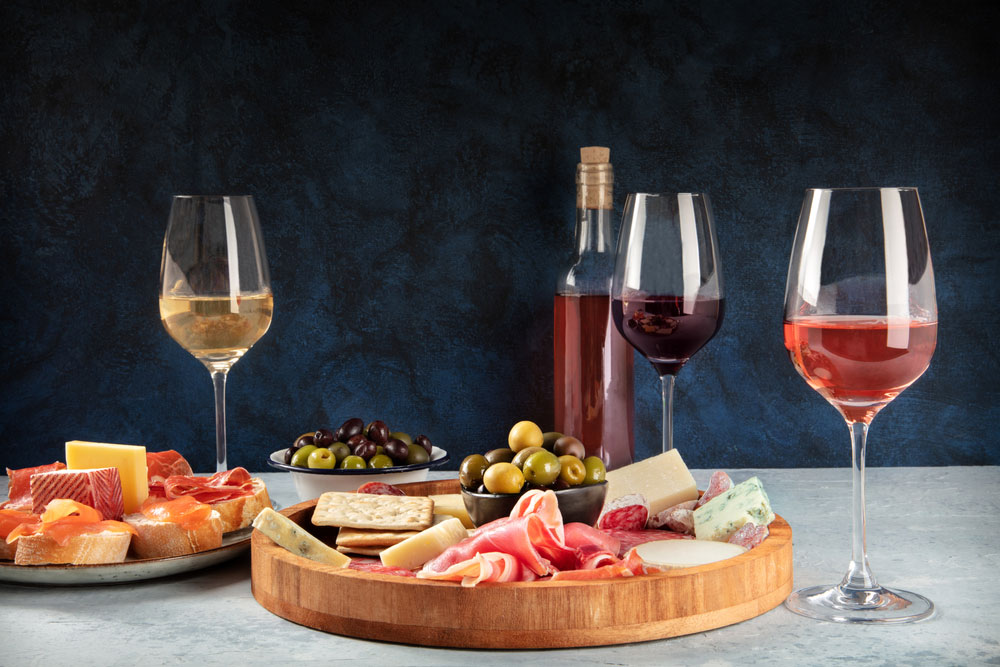
When it comes to culinary delight, few experiences can rival the perfect pairing of food and wine. The harmonious dance of flavors and textures that occurs on the palate is a true art form. But what if you could explore this artistry in a virtual world? Welcome to the tantalizing realm of virtual taste and food pairing.
The Fusion of Virtual Technology and Culinary Expertise
In recent years, advancements in virtual reality (VR) and augmented reality (AR) technologies have paved the way for new and immersive culinary experiences. Virtual taste takes this innovation a step further by simulating the flavors, textures, and aromas of various foods and beverages. It’s a marriage of technology and culinary expertise that allows people to experiment with a vast array of flavor combinations in a simulated environment.
A Symphony of Sensations
Traditional food and wine pairing typically rely on guidelines, such as matching red wine with red meat or white wine with seafood. However, with virtual taste, the possibilities become limitless. It’s a symphony of sensations where you can pair a spicy Indian curry with a French Bordeaux or a delicate sushi roll with a robust Scotch whisky. The boundaries of taste are pushed, and creative flavor pairings are celebrated.
Opening New Horizons
Virtual taste and food pairing transcend geographical and cultural boundaries. It’s a journey that lets you explore the cuisines of the world from your own dining room. You can sample dishes from different regions, experiment with spices, and try out unusual combinations without leaving your home. This exciting world of flavor exploration offers both amateur and seasoned food enthusiasts a chance to broaden their culinary horizons.
The Science Behind Virtual Taste
To truly appreciate the marvel of virtual taste and food pairing, it’s essential to understand the intricate science and technology that underpin this sensory adventure. Now we will dive into the technology and sensory science that enables virtual taste to recreate flavors and textures, transforming food and wine pairing into a captivating and immersive experience.
Simulating Taste and Aroma
The core of virtual taste lies in the ability to replicate flavors and aromas. This is achieved through a combination of technologies, including sensory science, chemistry, and digital innovation. A virtual taste experience starts with the analysis of real foods and beverages. Researchers meticulously dissect the chemical components that contribute to taste and aroma.
Sensory Feedback and Virtual Reality
The sensory elements are then recreated in a virtual environment using techniques such as microencapsulation, where molecules of flavor and aroma are encapsulated and released when triggered. When a user interacts with this virtual environment, whether through a VR headset, AR device, or even a specially designed taste machine, they receive sensory feedback through taste and aroma stimuli.
Taste and Aroma Cartridges
Some virtual taste systems utilize taste and aroma cartridges, akin to ink cartridges in a printer. These cartridges contain a variety of flavor and aroma compounds. By combining these compounds in precise quantities, the virtual taste system can recreate an extensive range of flavors and aromas.
Texture Simulation
In addition to taste and aroma, the simulation of texture is crucial for a complete virtual taste experience. Innovations in food science have led to the development of techniques that replicate the mouthfeel of different foods, whether it’s the crunch of a potato chip or the creaminess of a chocolate mousse.
Precision and Artistry
The success of virtual taste and food pairing hinges on precision and artistry. The mastery of chefs and food scientists is reflected in the harmonious blend of flavors, aromas, and textures that make up a virtual tasting menu. Each dish is a masterpiece created by merging scientific understanding and culinary creativity.
Virtual Taste and Culinary Creativity
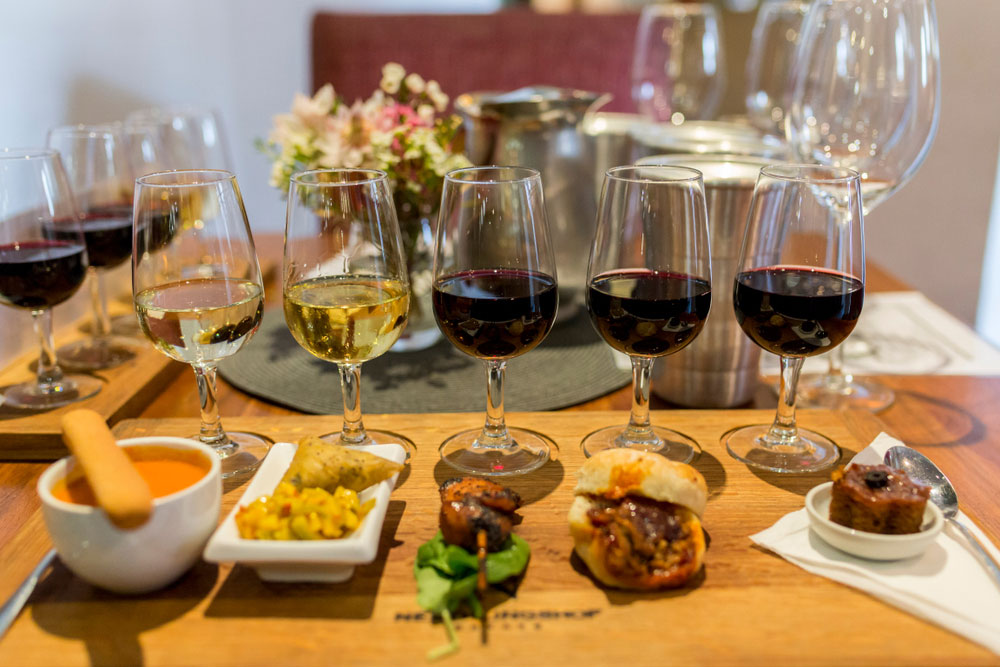
As we journey deeper into the world of virtual taste, we uncover how this innovative technology is reshaping the culinary landscape. It’s not just about replicating flavors and textures; virtual taste has given rise to a new realm of culinary creativity and experimentation, making food and wine pairing an engaging, immersive adventure.
Exploring New Culinary Frontiers
Virtual taste experiences transcend the limitations of the physical world. Chefs and food enthusiasts can now explore uncharted culinary territories, mixing and matching flavors, ingredients, and cuisines in ways that were once unimaginable. This creative freedom has given rise to entirely new concepts and taste profiles.
Global Gastronomy at Your Fingertips
Virtual taste invites you to embark on a global culinary tour without leaving your home. From the comfort of your kitchen, you can savor the complexities of a Japanese kaiseki meal, sample the fiery spices of Sichuan cuisine, or enjoy the rich, comforting flavors of Italian pasta. It’s a journey of exploration and discovery, and the possibilities are boundless.
A Canvas for Artistic Expression
For chefs, virtual taste is a canvas for artistic expression. They can design innovative dishes, combining contrasting and complementary flavors, and test how different ingredients interact. This experimentation is a wellspring of inspiration that can lead to the creation of entirely new recipes and culinary concepts.
A Training Ground for Aspiring Chefs
Aspiring chefs and culinary students can benefit immensely from virtual taste technology. It provides a risk-free environment to practice and refine their skills, experiment with unfamiliar ingredients, and receive immediate feedback. The virtual world is a dynamic classroom that fosters growth and innovation.
Collaboration and Innovation
Virtual taste has also sparked collaboration between chefs, food scientists, and tech experts. This interdisciplinary approach has resulted in the development of unique dining experiences that combine the best of culinary traditions with cutting-edge technology.
A New Paradigm for Food and Wine Pairing
Food and wine pairing, in particular, has seen a renaissance in the virtual realm. With a vast array of flavors at their disposal, individuals can experiment with unconventional pairings, creating unforgettable combinations that challenge and delight the palate.
The Impact of Virtual Taste on Food and Wine Enjoyment
Let us take a closer look at the impact of this innovative technology on the way we experience, appreciate, and enjoy food and wine. Virtual taste and food pairing have the potential to transform the culinary landscape and redefine our relationship with flavors.
Expanding Palates and Cultivating Curiosity
Virtual taste experiences encourage culinary exploration and a sense of curiosity. Participants are motivated to step out of their flavor comfort zones and sample a wide range of dishes, beverages, and combinations they might never have considered before. This newfound curiosity extends to their real-world dining choices, encouraging them to be more adventurous in their culinary pursuits.
A Valuable Educational Tool
Virtual taste has educational benefits as well. It provides a platform for people to learn about different cuisines, ingredients, and cooking techniques. It can also serve as a valuable tool for those interested in understanding the intricacies of wine, beer, and spirits, helping them become more discerning and knowledgeable connoisseurs.
Accessible Fine Dining
Fine dining experiences, often reserved for special occasions or limited to those who can afford them, are now accessible to a broader audience through virtual taste. This technology democratizes gourmet cuisine, enabling people to enjoy high-quality, chef-crafted dishes in the comfort of their homes.
Enhancing Food and Wine Pairing Skills
Food and wine pairing has traditionally been the domain of sommeliers and culinary experts. With virtual taste, individuals can enhance their food and wine pairing skills, experimenting with various combinations and discovering the nuances of how flavors interact. This knowledge can be applied to real-world dining experiences, allowing individuals to make more informed choices at restaurants and when hosting dinner parties.
Supporting Culinary Innovation
Virtual taste is a source of inspiration for chefs and food scientists. As they push the boundaries of flavor, they are challenged to create new dishes and beverages that can replicate the sensations of a virtual taste experience. This spirit of innovation has the potential to influence the development of future culinary trends and products.
The Future of Food and Wine Exploration
Virtual taste and food pairing are poised to play an increasingly significant role in the culinary world. As technology continues to advance and the virtual and physical dining worlds merge, we can expect an exciting and immersive future where our exploration of flavors knows no bounds.
As we conclude our exploration of virtual taste, we raise a virtual glass to a future where food and wine pairing becomes a thrilling adventure of endless possibilities. As virtual taste technology continues to evolve, it will undoubtedly revolutionize the way we perceive, enjoy, and celebrate the incredible world of flavors. Cheers to the future of culinary exploration!