
The Science of Virtual Taste
The idea behind virtual taste is to create a computer simulation of the flavor and texture of various cuisines. It works by simulating the sensation of eating different meals utilizing a mix of sensory inputs such as visual, aural, and olfactory signals. This technology is being developed as a tool to assist individuals in making healthier food choices by allowing them to taste healthier products in a more realistic manner.
Virtual taste science is founded on the concept of multisensory integration, which is the process by which our brain combines information from various sensory modalities to generate a single sense. As we eat food, our brain combines information from multiple sensory systems, including as our taste buds, sense of smell, and vision, to construct a flavor impression.
Virtual taste technology simulates the numerous sensory signals associated with a specific cuisine. For example, if someone wishes to sample a strawberry, virtual taste technology may employ a mix of visual, aural, and olfactory signals to simulate the flavor and feel of a genuine strawberry. This might include using strawberry photos or movies, playing noises connected with the sound of biting into a strawberry, and releasing strawberry aroma into the air.
Virtual taste technology has been found in studies to be beneficial in fostering healthy eating habits. According to a 2019 study published in the journal Appetite, utilizing virtual reality to imitate the sensation of eating vegetables boosted the probability that participants would pick vegetables over less healthful alternatives. Another study, published in the Journal of Sensory Studies in 2020, discovered that employing virtual taste technology to imitate the flavor of low-fat versions of high-fat meals resulted in calorie reduction.
Despite the hopeful outcomes of these investigations, virtual taste technology still has major limitations. One problem is that developing the technology and creating accurate simulations of various cuisines may be costly and time-consuming. Also, further study is needed to assess the long-term impact of virtual taste technologies in fostering healthy eating behaviors.
Virtual taste technology is an innovative tool with the potential to transform the way we make healthy food choices. Virtual taste technology, which simulates the taste and texture of healthier meals, may make it simpler for people to adopt healthy eating habits. While significant obstacles remain, the research indicates that virtual taste technology might be a useful tool for encouraging healthy eating habits in the future.
Virtual Reality Food Experiences Have Several Advantages
In recent years, virtual reality food experiences have gained appeal as a fresh and fascinating way to discover and engage with food. These virtual experiences allow users to imitate eating various cuisines and beverages without consuming actual food. There are various potential advantages to employing virtual reality technology in this manner, including the capacity to imitate eating harmful meals without causing severe health implications and the possibility to make healthy eating more appealing.
One big advantage of virtual reality food experiences is that they can help individuals make healthier choices by allowing them to taste unhealthy foods without eating them. Those attempting to limit their sugar intake, for example, may use virtual reality to imitate eating a dessert without the negative health repercussions associated with consuming excessive quantities of sugar. Similarly, someone aiming to lose weight may utilize virtual reality to imitate eating fried food without consuming the extra calories and bad fats.
Another advantage of virtual reality food experiences is that they may make healthy eating fun. Many people struggle to maintain a balanced diet because healthful meals seem boring or unappealing to them. By providing engaging and immersive experiences that make nutritious meals more interesting and fun to eat, virtual reality can assist to solve this obstacle. A virtual reality experience, for example, may take visitors on an interactive tour through a farmers’ market, where they can learn about different sorts of fruits and vegetables and try different dishes.
People may also use virtual reality to discover diverse ethnic cuisines and dining experiences that they might not have access to in their regular lives. For example, someone living in a small town with limited access to international cuisine may use virtual reality to learn more about other cooking techniques and ingredients.
Finally, virtual reality food experiences have the potential to change how we think about food and eating. Virtual reality may help individuals make healthier choices, make healthy eating more pleasant, and give access to new and intriguing culinary experiences by allowing users to imitate the sensation of consuming diverse foods and drinks. While significant issues remain, virtual reality meal experiences promise a bright future for food and health.
Apps for Scanning Food
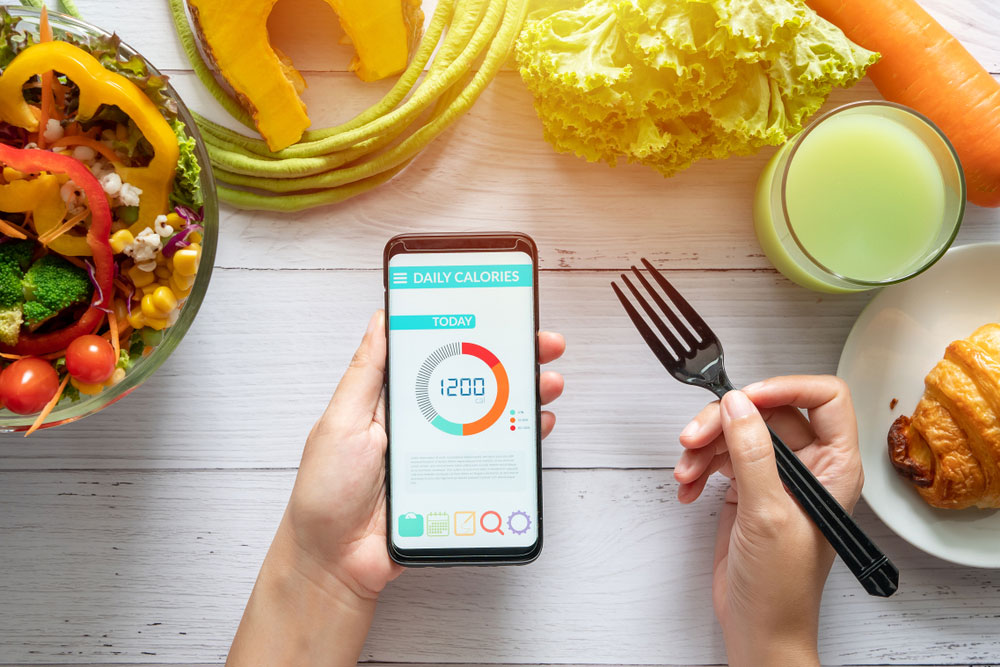
Food scanning applications have grown in popularity in recent years as a tool for assisting individuals in making better meal choices whether grocery shopping or dining out. These applications function by allowing users to scan a barcode or QR code on a food item or menu item to obtain information about the nutritional value and components of that item. Let’s look at some of the food scanner apps on the market, including how they function and how they might help consumers make healthier meal choices.
MyFitnessPal is a popular food scanning software that allows users to scan a food item’s barcode and then register it in their food diary. MyFitnessPal informs users on the nutritional content of food items, such as calories, protein, fat, and carbs. Users may also establish daily calorie and nutrient consumption goals, and the app will offer better meal options based on those objectives.
Fooducate is another popular food scanning software that offers users with nutritional information about food products. Fooducate provides a letter grade based on nutritional value when users scan a food item, with A being the highest and F being the lowest. The software also informs users about the components in the food item and recommends healthier alternatives if the scanned item is bad.
Food scanning apps are a useful tool for anybody looking to make healthier eating choices. There is something for everyone among the many applications available, whether you are grocery shopping, dining out, or simply attempting to keep a balanced diet. Food scanning applications, by giving users information about the nutritional value and contents of food products, can help consumers make better educated decisions about what to eat, leading to a healthier and happier lifestyle.

Smart Kitchen Appliances
Smart kitchen appliances have been gaining popularity in recent years as technology continues to integrate into every aspect of our lives. These appliances are designed to make cooking and meal prep easier, more efficient, and healthier. In this section, we will explore the various smart kitchen appliances that are available, including smart scales, blenders, and ovens, and how they can help people make healthier meals at home.
Smart scales are computerized scales that link to a smartphone app and allow users to correctly measure their meal servings. These scales can assist people in tracking their calorie consumption and ensuring that they are getting the right quantity of nutrients. Some smart scales also display nutritional information about the food being weighed, such as calories, protein, carbs, and fat. People may cook healthier meals by correctly estimating food quantities and avoiding overeating by utilizing a smart scale.
Smart Blenders: These blenders are intended to make healthy food preparation easier. These blenders may link to a mobile app and recommend recipes depending on the user’s dietary choices and health objectives. Smart blenders also include pre-programmed blending programs for making smoothies, soups, and other healthful foods at the push of a button. People may make healthier meals at home without spending a lot of time in the kitchen by utilizing a smart blender.
Smart Ovens: The newest addition to the smart kitchen equipment family is the smart oven. These ovens are remotely controllable via a smartphone app, allowing users to watch the cooking process and modify the temperature and cooking time as needed. Some smart ovens also include pre-programmed cooking routines that may automatically cook nutritious meals like roasted veggies or grilled chicken. People may prepare healthier meals at home with less work and time by utilizing a smart oven.
Smart kitchen gadgets may assist individuals in preparing healthier meals at home by making meal preparation easier, more efficient, and more precise. People may correctly measure their food quantities, obtain recipe ideas based on their dietary choices and health objectives, and make nutritious meals with less work and time by using smart scales, blenders, and ovens. As technology advances, we may expect to see more smart kitchen products that will assist us in making better food choices in the kitchen.
The Impact of Technology on the Restaurant Sector
Technology is transforming the restaurant sector, making it more efficient, convenient, and accessible than ever before. The advent of digital menus, which allow customers to browse menu items and prices online or on a mobile device, has been one of the most important improvements in recent years. This was notably helpful during the COVID-19 outbreak, when many restaurants were forced to limit physical menus in order to reduce interaction between customers and employees.
Customers may now make orders and pay for their meals online or through mobile applications, which is becoming increasingly popular. This not only expedites the ordering process, but it also reduces mistakes and allows workers to focus on other activities. Furthermore, many restaurants are also utilizing predictive ordering systems, which utilize data analytics to forecast client wants and preferences, making the ordering process even more efficient.
Another area where technology is making a difference is in assisting consumers in making better choices while dining out. Several restaurants now provide precise nutritional information about each meal, including calorie counts, fat levels, and allergy information, via computerized menus. This is especially helpful for persons who have certain dietary limitations or preferences, such as gluten-free or vegan diets.
Innovative solutions like these are helping to transform the restaurant sector in a variety of ways, including making it simpler for consumers to acquire nutritious, tasty cuisine while also boosting restaurant bottom lines. Digital ordering, for example, may help restaurants cut waste by more correctly predicting how much food they need to make, and virtual menus can assist boost customer happiness and loyalty by giving a more personalized eating experience.
Overall, technology is becoming increasingly significant in the restaurant sector and will likely continue to do so in the coming years as new technologies emerge and customers seek more accessible, nutritious, and personalized eating alternatives.
In conclusion, virtual taste is a technology that mimics the experience of eating certain foods, which can be used to create healthier alternatives. Healthy eating is essential for maintaining good health, and technology can play a vital role in promoting better eating habits. Virtual reality food experiences, food scanning apps, and smart kitchen appliances are all examples of technology helping people make healthier food choices. The benefits of virtual taste and technology include making healthy eating more accessible, convenient, and enjoyable for people. However, there are challenges and limitations to these technologies, such as cost and accessibility. Future developments in AI, machine learning, and robotics could revolutionize the way we prepare and consume food. Overall, it is essential to use technology to promote healthier eating habits for better health and well-being. We encourage you to try out some of the new technologies available and make healthier food choices.