

There is a magical spot in the world of food and drink, and it’s the place where originality in the kitchen meets camaraderie with others. This area is known as the realm of interactive food challenges, and it cannot be confused with any other place. Imagine for a moment that there is a group of excited people, all of them are armed with their aprons and chef’s hats. They are about to start on a joyful trip of cooking or baking while also navigating the exciting twists and turns of a themed task. It is an experience that not only stimulates one’s sense of taste, but also cultivates connections, promotes innovation, and honors the pleasure that comes from eating.
The Rise of Interactive Food Challenges
In recent years, the idea of interactive food challenges has attracted an incredible amount of attention and support. These obstacles provide a welcome change of pace in an age where technological advancements so frequently steal the spotlight. They transcend geographic boundaries and give rise to thriving communities of food enthusiasts by bringing people together in a common pursuit of gourmet excellence.
The proliferation of interactive food challenges can be traced back to a number of different causes. To begin, the world of cuisine is no longer limited to people who cook professionally or at home; rather, it has broadened its scope to embrace anybody who has an interest in food and a willingness to try new things in the kitchen. People’s confidence in their culinary skills continues to rise, which can be attributed to the ease with which they can acquire a wide variety of goods and resources for cooking.
In addition, the proliferation of social media has been an essential factor in the rise in popularity of these challenges. Virtual stages have emerged in the shape of social media applications such as Instagram and TikTok, where users proudly display their culinary accomplishments. An exciting new dimension has been added to the experience because to the temptation of sharing tasty foods that are also visually stunning with an audience from all around the world.
The Elements of a Food Challenge
Every interactive food challenge has a central theme or group of components that acts as both a source of creativity and a limitation on what participants can make. These topics can cover a wide range, from the cuisines of particular regions and specific ingredients to the fruits and vegetables of distinct seasons and various cultural holidays. For instance, the participants might be challenged with cooking an Italian three-course meal using only products that are regularly found in a pantry in Japan or preparing a dessert that is inspired by a beloved memory from their childhood.
The limitations put on participants by the overall concept of the challenge serve to stoke the fires of their creative potential. In order to create dishes that not only correspond to the rules but also push the bounds of traditional culinary norms, participants are required to engage in creative thinking, experimentation, and innovation. Individuals are encouraged to engage in critical thinking regarding the flavor profiles, ingredient pairings, and presentation aesthetics by means of this method.
Exhilarating aspects of food challenges frequently include, in addition to themes and components, time limits. A ticking clock is a component of many different types of challenges, particularly those that are run in a competitive style. Participants are challenged to tap into their inner chefs and come up with mouthwatering delicacies while working under strict time constraints. This element, in addition to simulating the strain of working in a real kitchen, encourages creative thought and effective execution.
The Joy of Participation
The experience of taking part in an interactive food challenge is one that cannot be compared to any other. It allows individuals to put their culinary skills to the test in a setting that is encouraging and non-judgmental, bridging the gap between amateurs and professionals in the field. The following is a list of some of the most important reasons why people are drawn to these kinds of challenges:
Creativity Unleashed: Interactive food challenges provide a platform for participants to unleash their culinary creativity. Whether it’s devising innovative recipes, experimenting with new techniques, or presenting dishes as works of art, these challenges encourage participants to think outside the recipe box.
Skill Development: For aspiring cooks and bakers, these challenges offer an opportunity for skill development. They can hone their knife skills, practice various cooking methods, and refine their plating techniques, all while receiving feedback from fellow participants.
Cultural Exploration: Many challenges are themed around specific cuisines or cultures. This provides an educational opportunity for participants to delve into the culinary traditions of different regions, learning about the ingredients, techniques, and cultural significance of dishes.
Community Building: Food has an innate ability to bring people together. Interactive food challenges foster a sense of community among participants. They bond over a shared love for food, exchange tips and tricks, and offer support and encouragement.
Celebration of Diversity: These challenges celebrate the rich tapestry of global cuisines. They promote diversity by encouraging participants to explore and appreciate the flavors and traditions of different cultures.
The Role of Technology
The rise in popularity of interactive food challenges can be attributed in large part to the prevalence of technological advancements. It plays the role of the connecting tissue that connects the participants together and makes it easier for them to share their experiences. The following exemplifies the crucial part played by technology:
Social Media: Platforms like Instagram, TikTok, and Facebook are the primary arenas where participants showcase their creations. Hashtags specific to the challenge help in aggregating posts and creating a sense of community.
Video Conferencing: With the advent of video conferencing tools like Zoom, participants can connect in real-time, whether they are across the street or across the globe. This synchronous interaction adds a layer of excitement and camaraderie.
Cooking Apps: Specialized cooking apps and websites offer a repository of recipes, tutorials, and cooking tips. Participants often rely on these resources to perfect their dishes.
Online Voting and Judging: In competitive challenges, online voting and judging mechanisms allow participants to compete fairly and transparently. Scores and feedback are shared digitally, eliminating the need for physical gatherings.
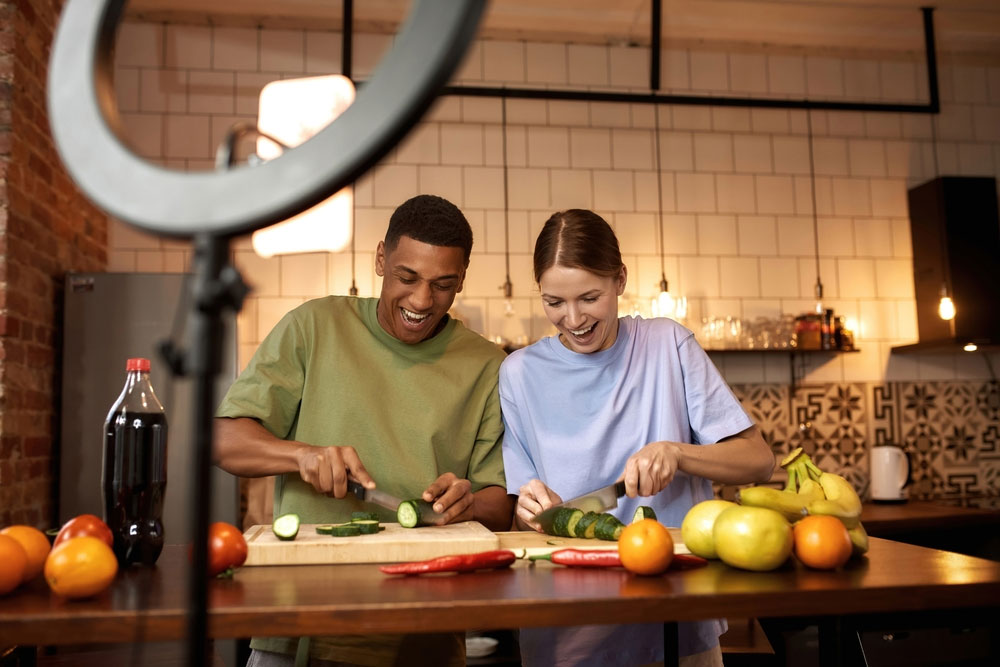
Livestreaming: Livestreaming cooking sessions has become a popular way to engage with audiences during challenges. Participants can share their cooking process, answer questions in real-time, and build a following of fellow food enthusiasts.
A Taste of Success: The Competitive Angle
Even though most interactive food challenges are staged for the sole purpose of providing participants with the satisfaction of taking part, some of them also include an element of competition. These competitions frequently provide rewards, recognition, or the possibility of being recognized in media associated with the food industry.
Taste, presentation, inventiveness, and adherence to the challenge subject are some of the factors that judges consider while evaluating the meals submitted by participants in competitive challenges. Typically, the judging panels for these challenges are comprised of culinary professionals or famous chefs. The excitement of competing in a culinary event takes the experience to a whole new level, forcing participants to demonstrate their most cutting-edge abilities and creative ideas.
From Virtual to Reality: Offline Food Challenges
The digital domain has been the dominant setting for interactive food challenges; however, some of these challenges have moved beyond the realm of virtual reality and have become events that take place in the physical world. Food challenges are a common component of the programming at many types of local events, including competitions for cooking or baking, community cook-offs, and food festivals. These events offer a direct, hands-on, and multi-sensory experience that transcends the limitations of a screen.
Participants in offline food challenges have the opportunity to interact face to face with one another, share tales and tips, and form connections over their shared passion for food. They foster a sense of connection within a community and strengthen the culinary traditions that have been passed down for generations.
Creating Your Own Food Challenge
The beauty of interactive food challenges lies in their adaptability and accessibility. Anyone with a passion for food can organize their own challenge, whether it’s among friends and family or a wider online community. Here’s how to get started:
Choose a Theme: Decide on a theme or set of ingredients that will inspire participants. It could be based on a specific cuisine, a seasonal ingredient, or a culinary challenge like “dessert without sugar.”
Set Guidelines: Clearly define the rules and guidelines for the challenge. Specify whether it’s a competitive or non-competitive event, the duration of the challenge, and any restrictions on ingredients or techniques.
Create a Platform: Establish a digital platform where participants can share their creations. Social media, dedicated websites, or cooking apps are popular choices.
Engage Participants: Promote your challenge and invite participants. Use social media, email newsletters, or cooking forums to reach out to potential participants.
Encourage Sharing: Encourage participants to share their experiences, recipes, and photos on the designated platform using a unique hashtag. This fosters a sense of community and allows everyone to appreciate each other’s efforts.
Feedback and Recognition: If it’s a competitive challenge, consider assembling a judging panel or organizing online voting to determine winners. Recognize participants’ creativity and culinary skills with prizes or certificates.
Celebrate Together: At the end of the challenge, host a virtual gathering where participants can discuss their experiences, share insights, and celebrate their culinary achievements.
Conclusion: Savoring the Journey
Interactive food challenges are not simply gastronomic exercises; rather, they are adventures in self-discovery, creative expression, and social interaction. They embody the core of what it is that makes food a language that is understood on a global scale and beyond boundaries. These challenges provide a one-of-a-kind opportunity to explore the endless universe of flavors, ingredients, and techniques while creating meaningful connections with other people who have a passion for food. This is true whether you are an experienced chef or a rookie cook. Put on your apron, sharpen your knives, and get ready to go on a culinary journey that not only guarantees exquisite dishes, but also the pleasure of engaging in activities along with others. Have a nice meal!