
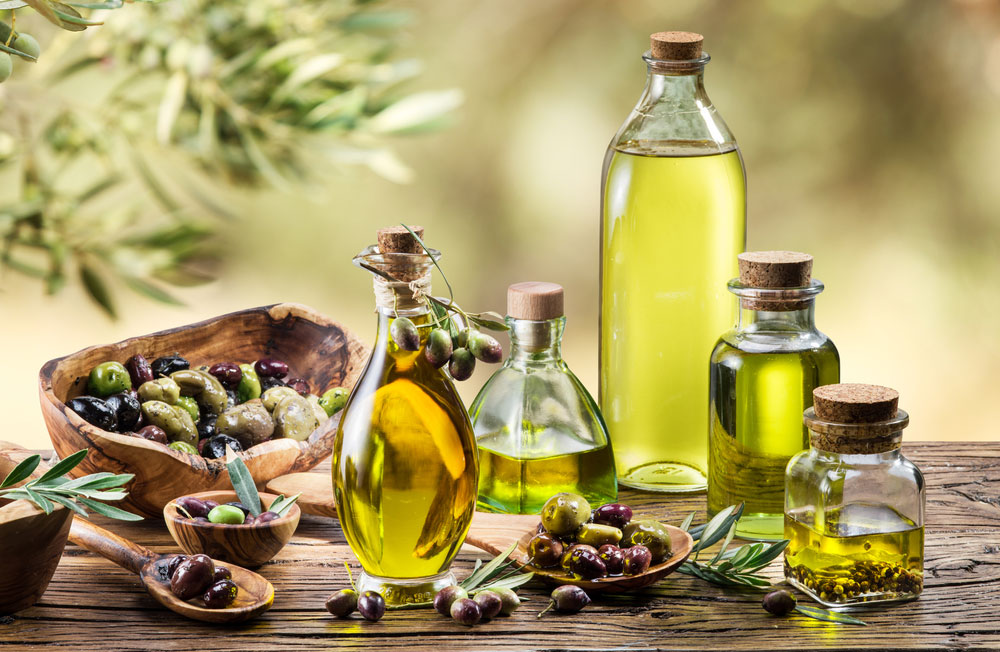
A Virtual Olive Oil Tasting Adventure Around the World
The world is at our fingertips in this digital age, allowing us to explore and experience new things from the comfort of our own homes. A virtual olive oil tasting is one such pleasant experience. Join us on a virtual voyage through the subtleties of this ancient elixir, learning about the flavors, fragrances, and tales of various olive oils from across the world. Prepare to stimulate your taste buds and embark on an unforgettable culinary trip!
The Fundamentals of Olive Oil
Olive oil, also known as “liquid gold,” has a long history extending back thousands of years. It is derived from the fruit of the olive tree (Olea europaea), which grows in Mediterranean climates. Olive oil production entails meticulous cultivation, harvesting, and extraction.
Olive oil production begins with the careful selection and handpicking of mature olives from trees. These olives are then crushed or pressed to extract the valuable oil. Traditionally, this procedure used stone mills to smash the olives between massive granite wheels. Modern technology has brought hydraulic presses and centrifuge processes to efficiently extract the oil.
The resultant oil is then classified according to its quality and acidity level. The highest-quality and most flavored olive oil is extra-virgin olive oil (EVOO). It is produced mechanically, without the use of heat or chemicals. This delicate extraction maintains the olives’ original flavors, smells, and nutrients. Extra virgin olive oil has a low acidity level of less than 0.8% and a fruity, peppery, and occasionally grassy flavor. It’s popular for its complex flavors and is great for drizzling over salads, dipping bread in, and putting a finishing touch to a variety of foods.
Virgin olive oil is made from the initial pressing of olives and has a slightly higher acidity level of up to 2%. It has a milder flavor than extra virgin olive oil and is appropriate for cooking and everyday culinary uses.
Refined olive oil, on the other hand, goes through additional processing steps including filtration and refining to eliminate contaminants and neutralize its flavor. Because refined olive oil has a higher smoke point, it is appropriate for high-heat cooking methods such as frying and sautéing. Refined olive oil loses the distinguishing aromas and health benefits of extra virgin olive oil.
There are further variances between these categories based on regional features, olive varietals, and harvesting methods. For example, you could come across words like “single varietal” or “blend,” which refer to oils manufactured from a single type of olive or a combination of several olives.
Consider the place of origin when purchasing olive oil, as each region adds its own distinct flavors and qualities. Olive oils from Italy, Spain, Greece, and other Mediterranean countries are renowned for their high quality and variety.
You can make informed decisions based on your culinary needs and tastes if you grasp the differences between extra virgin, virgin, and refined olive oils. Experiment with several varieties to discover the variety of flavors and smells they provide, bringing your culinary creations to new heights.
Choosing Olive Oils for Tasting
When embarking on a virtual olive oil tasting experience, the selection of oils plays a vital role in exploring the diverse flavors, aromas, and nuances that different regions and olive varietals have to offer. Here are some factors to consider when choosing a variety of olive oils for your tasting
Region of Origin
Olive oils differ widely depending on the place where the olives are cultivated and collected. Climate, soil makeup, and local customs all impact the oil’s particular properties. Consider oils from well-known olive oil-producing regions like Tuscany in Italy, Andalusia in Spain, or the Peloponnese in Greece. Each region’s flavor profiles will be distinct, reflecting its terroir and cultural background.
Olive Varietals
Just as different grape varietals contribute to distinct flavors and aromas in wine, different olive varietals contribute to diverse flavors and fragrances in olive oil. Picual, Arbequina, Koroneiki, Frantoio, and Leccino are well-known for their particular qualities. Look for oils prepared from certain varietals to sample their distinct flavor qualities. Some varieties are valued for their fruity notes, but others may have more herbaceous or peppery characteristics. Exploring a variety of varietals can enhance your taste experience and broaden your understanding of the diversity of olive oil.
Flavor Profiles
Consider the flavor profiles you want to investigate during your virtual olive oil tasting. Are you drawn to oils with bold, peppery smells or those with delicate, fruity notes? Take heed of the tasting notes offered by the makers or experts, as they can provide insight into the flavors and sensations to expect. Look for words like grassy, green, lemony, nutty, or artichoke-like. You can create a well-rounded tasting experience that demonstrates the breadth of olive oil possibilities by picking oils with diverse flavor profiles.
Quality assurance and certification
Look for certificates and quality seals on the box to verify you’re getting the best olive oil. Certification from the International Olive Council (IOC) or special regional designations such as Protected Designation of Origin (PDO) or Protected Geographical Indication (PGI) can ensure quality and authenticity. These certifications ensure that the oil fulfills particular criteria and has been thoroughly tested.
Consider a Variable Intensity
The level of olive oils varies from delicate and mild to powerful and intense. Consider including oils with varying levels of strength in your tasting selection. This will allow you to explore the flavor spectrum and discover which ones appeal to your palette. A well-balanced sampling selection can consist of a mild and buttery oil, a medium-bodied and fruity oil, and a powerful and peppery oil.
To properly understand the range and complexity of olive oil, encourage participants in your virtual tasting to try oils from different areas and varietals. This will allow them to gain a better understanding of the flavor profiles they appreciate and the regions that correspond to their preferences.
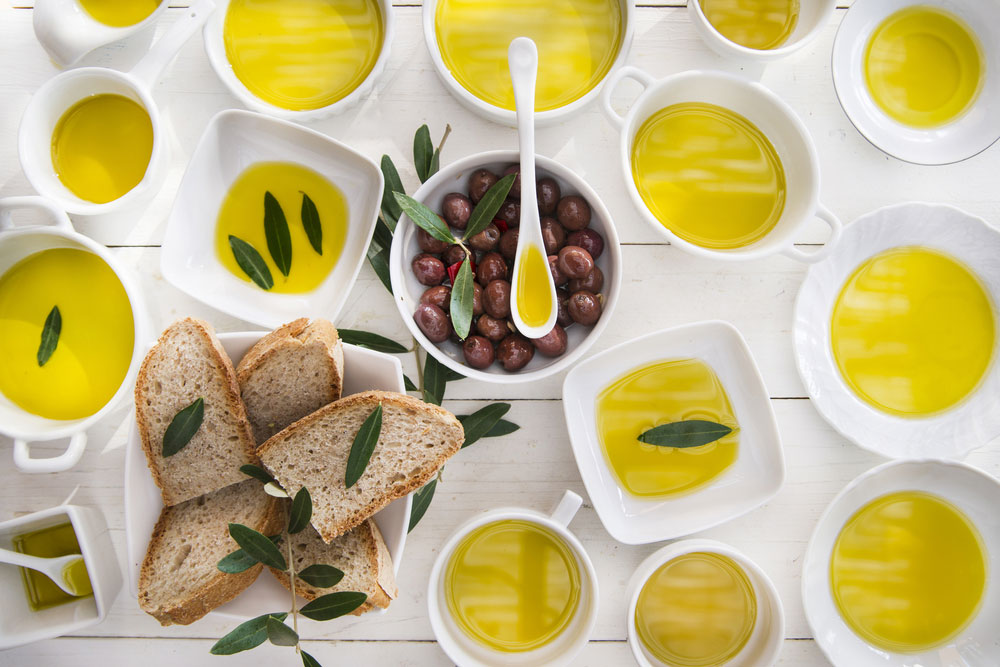
Tools & Techniques for Setting the Scene
To develop an immersive and successful virtual olive oil tasting experience, the necessary tools and techniques must be used. Here are some tips and suggestions to help you prepare for a memorable tasting session
Glassware
Select glassware that allows you to completely appreciate the olive oil’s color and aroma. Choose tulip-shaped glasses with a narrower top to focus the scents. Plastic and metal containers should be avoided since they can interfere with the flavors. Check that the glasses are clean and free of any lingering scents.
Aroma Cups or Tasting Cups
For a more focused olfactory experience, use fragrance cups or miniature tasting cups. These cups are specifically intended to concentrate scents, allowing you to fully appreciate the nuances of the olive oil. The cups’ design directs smells towards your nose, improving the olfactory experience.
Note Cards or Tasting Sheets
Participants should be given tasting sheets or note cards to put down their observations and impressions. These sheets may have prompts for appearance, scent, taste, and overall evaluation. Encourage participants to make notes about the color, viscosity, aroma, and flavors they sense in the oil. This will allow them to reflect on their experience and compare various oils.
Proper Warming
Before tasting, make sure the olive oils are at the proper temperature for tasting. Cold oil can dull flavors, and hot oil can hide delicate scents. The best temperature for tasting olive oil is around 25°C (77°F). You can slightly warm the oil by cupping the glass in your hands or immersing it in a bowl of warm water for a few minutes.
Releasing Aromas
To properly appreciate the fragrant properties of olive oil, gently swirl the glass to release its scents. This helps to volatilize the aromatic molecules, making them more visible. Take a deep breath and try to distinguish the different odors. Look for fruity, grassy, flowery, or herbal scents that add to the depth of the oil.
Tasting Method
Take a little drink of the oil and allow it to coat your whole mouth, including the tongue, palate, and gums. Allow the oil to sit on your palate for a few minutes to truly appreciate its flavors and sensations. Take note of the flavor intensity, the presence of bitterness, and the level of pungency (the peppery sensation in the throat). Take note of the oil’s balance, complexity, and any aftertastes.
Bread and water
To cleanse the palette between tastes, keep a glass of water and some simple bread or crackers on hand. This helps to neutralize the flavors while also preparing your senses for the next oil. Drinking water and eating bread can also help relieve any “burn” from the aromatic oils.
Encourage participants to use these strategies and to participate in the virtual tasting session. Sharing opinions, comparing notes, and discussing the distinct characteristics of each oil can improve the overall experience and build a deeper appreciation for olive oil.
Guided Tasting Experience
Explore the intricacies of different oils and enhance your understanding of their flavors, fragrances, and culinary potential with a wonderful virtual olive oil tasting experience. To create an immersive and engaging tasting session, follow this step-by-step guide:
Set the Scene
Collect the olive oils you’ve chosen, as well as the tasting glasses, scent cups or miniature tasting cups, tasting sheets or note cards, water, and bread or crackers. Arrange them neatly on a table or tray to create an eye-catching presentation. Encourage attendees to bring their own sampling materials.
Observe the Appearance
Fill each glass with a tiny amount of olive oil, about one-third full. Begin the tasting by examining the look of the oil. To study the color of the glass, place it against a white background or tilt it slightly. Take note of the color intensity, which ranges from pale green to bright yellow. The color of olive oil can vary, and this observation can reveal information about the age and variety of olives utilized.
Inhale the Aromas
Bring the glass close to your nose and inhale deeply to capture the aromas. Take a moment to identify the different scents. Look for fruity notes, such as fresh-cut grass, green apple, or ripe tomato. You may also detect herbaceous hints of basil, mint, or thyme. Note any additional aromas like floral, nutty, or even hints of citrus. Share your impressions and invite others to discuss the scents they perceive.
Taste and evaluate
Allow a small sip of olive oil to coat your mouth and allow the tastes to develop. Take note of the flavor profile of the oil, including the depth of the tastes, the presence of bitterness, and the level of pungency (a peppery sensation in the throat). Take note of the oil’s balance and intricacy. Is the mouthfeel smooth and buttery, or is it more strong and peppery? Fill out the tasting sheets or note cards with your observations.
Flavor Profiles and Tasting Notes
To assist participants in their exploration, include tasting notes and flavor profiles for each oil. Describe the primary flavors and aromas they may come across. One oil, for example, may have a fruity flavor with notes of green apple, fresh-cut grass, and a hint of almond, whereas another may be more strong with obvious bitterness and a peppery finish. Include texture descriptions such as buttery, smooth, or velvety. These specifics will enrich the tasting experience and inspire attendees to learn more about the properties of each oil.
Food Pairings Suggestions
Share food matching suggestions to compliment the flavors of the olive oils. A delicate and fruity oil, for example, can be drizzled over salads, grilled vegetables, or fresh mozzarella. A strong oil with a peppery touch complements substantial soups, grilled meats, and crusty bread. Encourage participants to try new pairings and share their culinary creations.
Engage in Discussions
Throughout the tasting, invite people to join in discussions and virtually share their impressions. Create an open and engaging environment in which everyone can share their thoughts, ask questions, and share their observations. This open discussion will enhance the tasting experience and develop a sense of community among attendees.
Following this guided tasting experience will take you on a sensory trip through the many flavors and fragrances of olive oil. You’ll gain a better understanding of the complexities of each oil and the culinary possibilities it provides via observations, debates, and note-taking.