
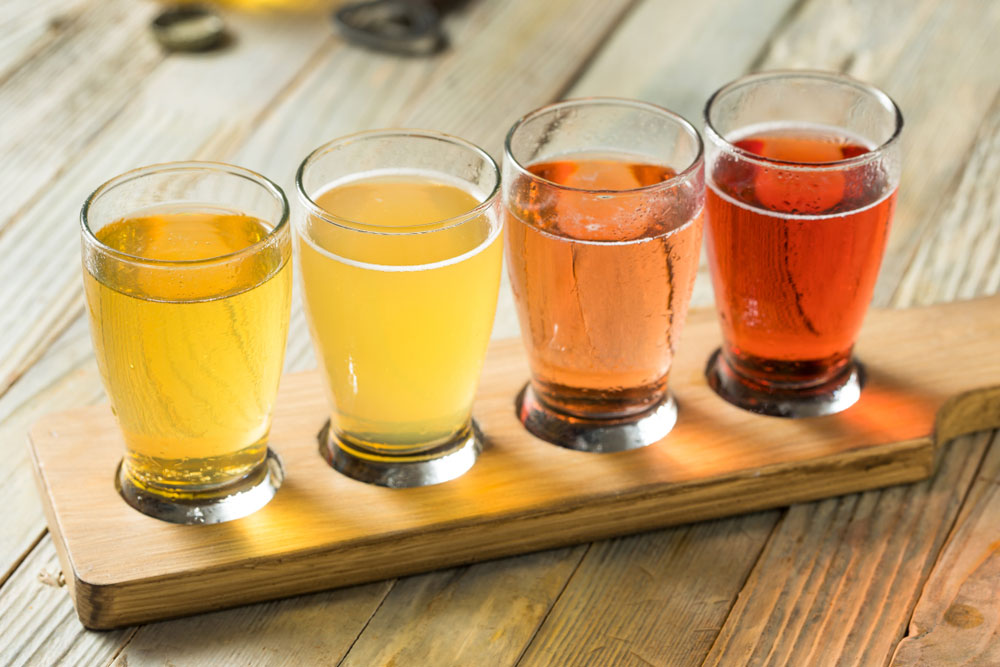
In an age where connections transcend physical distances, the world of beverage appreciation has found a new platform. Virtual cider tastings, from the comfort of your home, embark on an immersive journey through flavors, aromas, and the rich heritage of cider-making traditions.
Setting the Scene
Imagine a cozy evening, a screen flickering to life, and a virtual room abuzz with enthusiasts eager to explore the nuances of cider. With expert guidance and a curated selection of ciders, participants from diverse corners of the globe can gather to savor a shared experience, united by their love for this timeless beverage.
The Tasting Experience
As the session begins, participants are introduced to a variety of ciders—each with its own story, flavor profile, and regional influences. From crisp, dry ciders to sweet, fruit-infused blends, the array offers a spectrum of tastes to explore. Guided by a cider expert, attendees delve into the art of cider appreciation, learning to discern subtle notes, mouthfeel, and the craftsmanship behind each bottle.
Exploring Diversity
One of the joys of a virtual cider tasting lies in its diversity. Participants are treated to a global journey, sampling ciders crafted from heirloom apples in England, orchard-fresh selections from France, artisanal blends from the United States, and innovative infusions from New Zealand. Each sip carries the essence of its origin, transporting tasters to the orchards where these apples were nurtured and harvested.
Interactive Engagement
Beyond sipping and savoring, the virtual setup fosters interactive discussions. Enthusiasts share tasting notes, ask questions, and engage with cider experts, fostering a sense of camaraderie and learning from diverse perspectives. It’s a platform where novices and aficionados alike exchange insights, anecdotes, and newfound appreciation for the craft.
Embracing Tradition and Innovation
Virtual cider tasting isn’t just about sipping cider; it’s an exploration of tradition and innovation. Participants delve into the rich history of cider-making, understanding the cultural significance of this ancient beverage while celebrating the innovation driving its contemporary resurgence.
The History of Cider
Early Origins
The origins of cider trace back to ancient times, with evidence suggesting that early civilizations, including the Romans, Greeks, and Egyptians, enjoyed fermented apple-based drinks. These early versions of cider likely varied in taste and alcohol content compared to modern interpretations.
Celtic and Roman Influence
Cider-making flourished in regions with abundant apple orchards, notably in Celtic and Roman territories. Celts in Europe, particularly in regions now known as England and France, are believed to have made crude ciders by crushing apples and allowing the juice to ferment naturally.
Middle Ages
During the Middle Ages, cider-making expanded across Europe. Monasteries played a significant role in refining cider production techniques, cultivating orchards, and documenting methods for cider-making. Cider gained popularity as a refreshing and safer alternative to water, especially in regions where clean drinking water was scarce.
England’s Influence
In England, cider-making evolved, and by the 17th century, it became a significant industry, particularly in regions like Somerset and Herefordshire. Orchards were cultivated, and specific apple varieties were bred for cider production, leading to a more refined drink.
American Colonization
Cider-making techniques accompanied European settlers to the New World. Orchards were planted across the American colonies, and cider became a staple beverage for early American settlers, akin to its popularity in Europe.
Decline and Resurgence
The 19th and early 20th centuries witnessed a decline in cider consumption in both Europe and America due to various factors, including the rise of beer and the temperance movement. However, recent decades have seen a remarkable resurgence of interest in cider, with craft cideries reviving traditional methods and experimenting with new flavors and techniques.
Modern Cider-Making
Today, cider is enjoyed globally, with regions like England, France, Spain, and the United States being prominent producers. There’s a diverse range of ciders, from traditional still ciders to sparkling and flavored variations, showcasing the versatility and innovation within the industry.
Cultural Significance
Throughout its history, cider has held cultural significance, often associated with celebrations, harvest festivals, and regional traditions. Its connection to folklore, rural life, and heritage remains deeply rooted in many societies where cider-making is prevalent.
From its humble beginnings as a fermented apple beverage to its modern iterations, cider has traversed centuries, shaping cultures, traditions, and tastes—a testament to its enduring legacy as a beloved and storied libation.
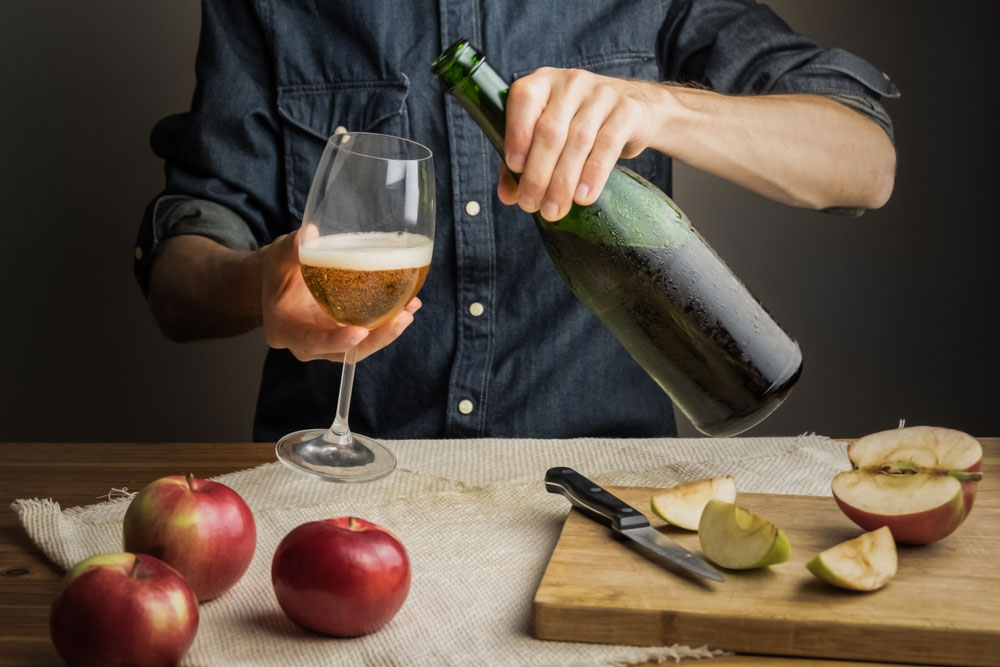
1. Select Your Ciders:
Choose a diverse selection of ciders from various regions or styles to provide a broad tasting experience. Include dry ciders, fruit-infused blends, heritage ciders, and any unique or limited editions available.
2. Gather Necessary Supplies
Besides the ciders, ensure you have tasting glasses for each participant, note cards for tasting notes, palate cleansers (like water or plain crackers), and perhaps a small food pairing (like cheese or charcuterie) to complement the tasting.
3. Choose Your Virtual Platform
Decide on the virtual platform for the tasting. Popular options include Zoom, Google Meet, or specialized tasting platforms that cater to virtual events.
4. Send Invitations
Create and send out invitations detailing the date, time, and the ciders that will be tasted. Include any specific instructions or guidelines for the event. Be sure to provide the participants with the information on where to purchase the ciders if you have not already sent them.
5. Prepare Talking Points
Craft talking points or a brief introduction to each cider, highlighting its origin, flavor profile, and any interesting stories or history associated with it. This will help guide the conversation during the tasting.
6. Set the Atmosphere
Create a cozy and inviting space with proper lighting and a comfortable seating arrangement. Consider background music or ambiance to enhance the experience.
7. Conduct the Tasting
Start the virtual session by introducing the participants and the ciders. Begin with the lighter or drier ciders before moving to the sweeter or fruit-infused ones. Encourage everyone to share their tasting notes, thoughts, and experiences.
8. Facilitate Discussion
Moderate the conversation, prompting participants to discuss their impressions of each cider. Encourage sharing of tasting notes, preferences, and any questions they might have.
9. Food Pairings
Suggest food pairings or discuss the flavors that could complement each cider. Encourage participants to experiment with pairing different foods to enhance the tasting experience.
10. Enjoy the Experience
Most importantly, enjoy the experience! Virtual tastings are not just about the cider but about the camaraderie and shared appreciation for this ancient beverage.
11. Follow-Up
Consider sending a follow-up email with a summary of the ciders tasted, any additional information shared during the event, and perhaps suggestions for further exploration of ciders or related events.
By following these steps, you can curate an engaging and enjoyable virtual cider tasting experience for yourself and your guests, fostering connections and shared appreciation for this beloved beverage.
Some interesting facts about cider
- Ancient Roots: Cider has ancient origins, possibly dating back over 2,000 years. It’s believed to have been enjoyed by civilizations like the Romans, Greeks, and Celts.
- Versatility of Apples: There are thousands of apple varieties, but not all are suitable for cider-making. Specific apples, like bittersweet and bittersharp varieties, are prized for their tannins and sugars, essential for crafting flavorful ciders.
- Prohibition Impact: Prohibition in the United States had a significant impact on cider. While beer and wine production were legalized after Prohibition, cider was not, resulting in the loss of many cider apple orchards and traditional recipes.
- Diverse Styles: Cider comes in various styles, from sweet to bone-dry, still to sparkling, and traditional to modern craft ciders infused with different fruits, spices, or aged in various barrels (like bourbon or wine barrels).
- Apples vs. Pears: While cider is commonly associated with apples, there’s a lesser-known version made from pears known as “perry.” It’s similar to cider but made entirely from fermented pear juice.
- Ice Cider: Much like ice wine, ice cider is produced by allowing the apples to freeze, concentrating the sugars before pressing them. This process results in a sweet and intensely flavored cider.
- Cider in Folklore: Cider often holds cultural significance and appears in various folktales and traditions. In some cultures, wassailing ceremonies involve singing to apple trees to encourage a good harvest and ward off evil spirits.
- Resurgence of Craft Cider: Over the last few decades, there’s been a resurgence in craft cider-making, akin to the craft beer movement. This revival has brought attention to traditional methods and innovative techniques, elevating cider’s profile.
- Global Variations: Cider-making is not limited to a few regions. Countries like England, France, Spain, the United States, and Australia have their unique cider-making traditions and apple varieties.
- Cider and Health: While moderation is key, cider can have health benefits. It contains antioxidants, is gluten-free, and, when made traditionally, doesn’t contain additives or artificial sugars.