
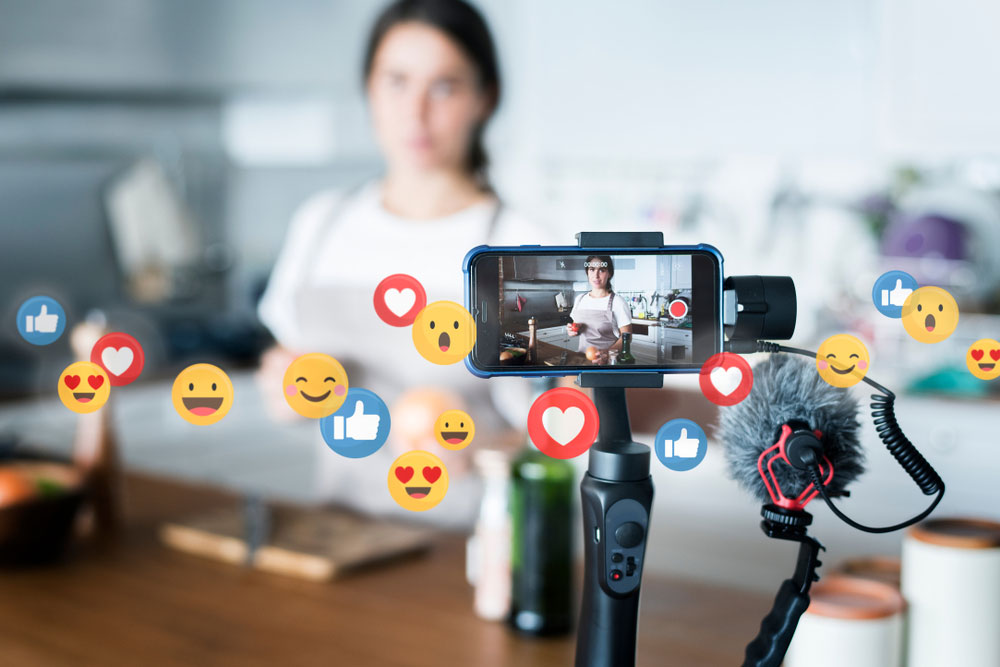
The Ascension of Visual Gastronomy
It’s no wonder that in the age of social media, where virtual relationships impact our lives, the food sector has seen a shift unlike any other. Instagram and TikTok have become culinary inspiration hotspots, with visual aesthetics and delectable concoctions taking center stage. In this article, we dig into the fascinating realm of virtual taste and investigate how Instagram and TikTok have changed the way we perceive and interact with food.
The evolution of visual gastronomy has expanded the art of food presentation to new heights. Users can access a limitless selection of scrumptious delicacies, awe-inspiring plating techniques, and gourmet creations that blur the line between art and sustenance with only a few taps of the screen.
With its emphasis on visual storytelling, Instagram has become a paradise for food fans and aspiring cooks to display their culinary prowess. Our feeds have been converted into virtual gourmet galleries thanks to mouthwatering food pictures, expertly arranged flatlays, and fascinating videos. Every meal is captured in incredible detail, tempting viewers with its aesthetic attraction, from brilliantly stacked cakes to vibrant smoothie bowls, from intricately decorated cookies to precisely burnt steaks.
But it’s not just about appearances. Food influencers’ ascent has ushered in a new era of digital tastemakers who curate and share their gastronomic excursions with millions of followers. These influencers have the ability to alter trends, propel undiscovered restaurants to popularity, and inspire home cooks to try new flavors and techniques. They have become trusted guides in the enormous landscape of the food sector due to their visually spectacular content and compelling storytelling.
TikTok, on the other hand, has heralded the arrival of a new era of bite-sized gastronomic entertainment. Food producers enchant audiences with dazzling recipe demos, kitchen tips, and intriguing food challenges in 15- to 60-second videos. Because of the platform’s algorithm-driven discoverability, lesser-known chefs and home cooks have been able to shine, quickly garnering renown and recognition for their distinct approaches to cuisine.
Instagram and TikTok’s visual nature have altered not only how we consume culinary content, but also how businesses operate in the food market. Restaurants and cafes are increasingly methodically crafting their menus and presentations to be Instagram-worthy, knowing that a single viral snap or video can instantly launch their place to stardom. Culinary achievement in this age of virtual taste extends beyond the tongue to the screens of our smartphones and the aspirations of our social media feeds.
From Foodies to Influencers: The Rise of Digital Tastemakers
Food fans have emerged as powerful tastemakers on Instagram and TikTok, attracting the attention and adoration of millions. Food influencers are digital tastemakers who have established committed followings through their intriguing content, culinary knowledge, and engaging storytelling.
Food influencers have the rare capacity to impact customer choices, inspire culinary journeys, and shape the food industry’s fundamental fabric. Their beautifully curated feeds and expertly produced movies provide a window into their culinary experiences, featuring novel recipes, restaurant discoveries, and behind-the-scenes glimpses into the culinary industry.
Authenticity is one of the primary attributes of food influencers. Their love of food seeps through their work, creating a true connection with their audience. They develop trust and credibility in an era where openness and relatability are highly valued by sharing personal anecdotes, honest reviews, and unedited experiences.
These digital tastemakers can also expose lesser-known cuisines and culinary trends to a worldwide audience. They broaden our culinary horizons and urge us to accept other cuisines and cultures by displaying traditional foods from far-flung corners of the world and finding hidden gems in local communities.
Furthermore, food influencers have served as a link between customers and businesses. Restaurants, food companies, and culinary entrepreneurs understand the enormous potential of engaging with these influencers to broaden their reach and engage their target audience. Influencers may monetize their passion through partnerships and sponsored content, while businesses can display their products on an authentic and engaging platform.
However, the rise of culinary influencers carries with it new issues. Maintaining authenticity and separating out from the crowd gets increasingly difficult as the business grows flooded with content makers. Influencers must walk a tight line between creative expression and sponsorship requirements, ensuring that their recommendations remain genuine and trustworthy.
Furthermore, the influence of social media on our connection with food is a two-edged sword. While it has clearly extended our culinary horizons and spurred culinary creativity, it has also fostered a culture of comparison and unreasonable expectations in the kitchen. The temptation to create Instagram-worthy meals and seek validation through likes and comments can lead to a mistaken view of what food should be.
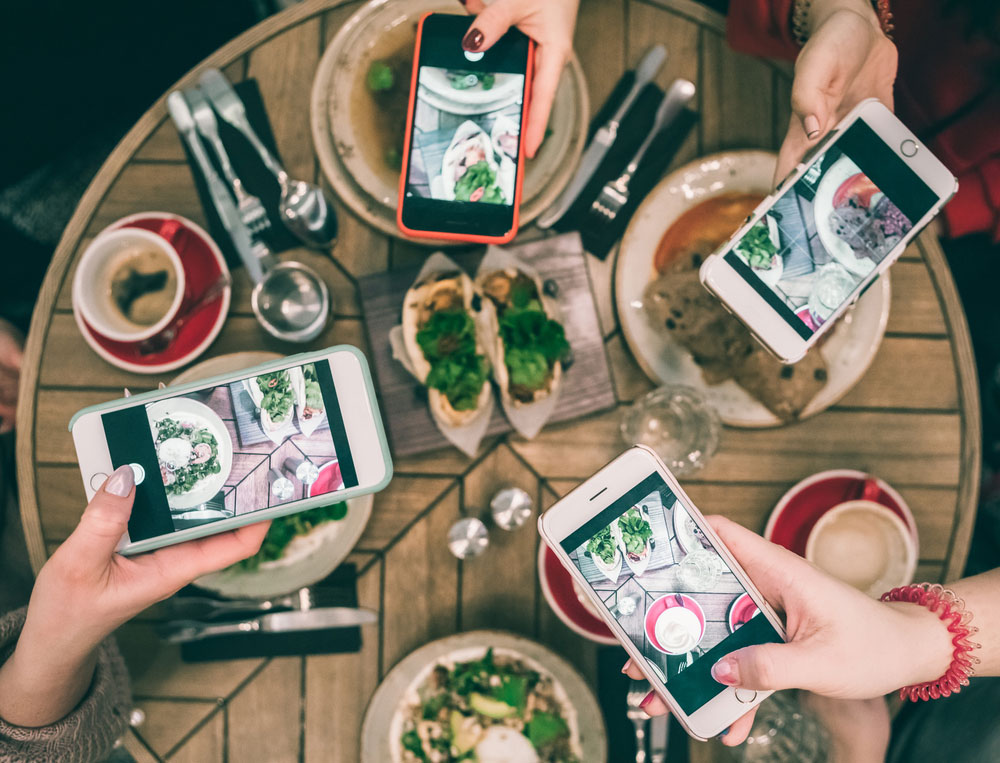
Beyond the Screen: Bridging the Virtual-Tangible Gap
Food has developed into more than just nutrition in the virtual realms of Instagram and TikTok—it has become an experience, a kind of entertainment, and a way of self-expression. Influencers’ appealing pictures, inventive recipes, and engaging narratives have blurred the border between the virtual and the tangible, prompting us to wonder about the true nature of our relationship with food.
One of the most difficult issues in our digital age is balancing the polished perfection of social media with the reality of regular dining. While Instagram and TikTok’s beautifully presented dishes and stylish films encourage us to elevate our culinary undertakings, they can also generate a sense of pressure to reproduce the same degree of artistry in our own kitchens.
It’s important to remember that food is still nourishment, a source of comfort, and a means of gathering and sharing moments with loved ones behind the camera lens. We must savor imperfectly perfect meals and celebrate the genuineness of homemade creations that may not always reflect the picture-perfect delicacies on our screens.
Furthermore, social media’s influence extends beyond the kitchen. It has changed the way we eat out, with people looking for Instagrammable spots, photogenic dishes, and visually appealing restaurant decor. Businesses have reacted by realizing the value of aesthetics and investing in Instagrammable environments and culinary dishes that can be shared and enjoyed online.
Virtual taste and social media have had a far-reaching impact on the food sector, altering the fundamental fabric of the industry. To remain competitive, restaurants, food brands, and culinary entrepreneurs must adapt to the needs of this digital landscape. Online presence, compelling content, and social media marketing have all become critical success tools, helping firms to connect with their target audience and remain relevant in an ever-changing sector.
However, striking a balance between the virtual and the tangible is critical to ensuring that the dining experience continues beyond the screen. The true enjoyment of food comes from tasting its flavors, enjoying the company of others, and immersing oneself in the rich cultural and sensory qualities that go beyond the visual attractiveness.
From the advent of visual gastronomy to the emergence of food influencers and the difficulty of crossing the virtual-tangible divide, Instagram and TikTok have altered the way we enjoy and engage with food.
Moving forward, let us embrace the innovation and inspiration that social media provides to our culinary travels while also strengthening our connection to the tangible essence of food. We may achieve a healthy balance between the virtual and the tangible by embracing the whole gamut of aromas, sensations, and emotions that food inspires, strengthening our relationship with food both online and offline.